HUD Low Income Housing Programs Your Complete Guide to Affordable Housing in 2025
Understanding HUD Low-Income Housing
What HUD Low-Income Housing Means
“HUD low-income housing” refers to a suite of housing programs administered by the U.S. Department of Housing and Urban Development (HUD) that provide rental housing or rental assistance to households with low incomes. These programs include public housing units, vouchers, project-based subsidies, and other affordable housing developments. For example, public housing is described by HUD as rental housing owned and operated by housing authorities, with eligibility based on income.
In these programs, rents are often calculated as a percentage of income (commonly around 30 %) of the tenant, making housing more affordable and sustainable.
Why HUD Low-Income Housing Is Important
In 2025, the cost of housing continues to rise faster than incomes in many parts of the country. That leaves many households struggling to afford safe, quality rental housing. HUD’s low-income housing programs help fill this gap by ensuring that eligible families, seniors, and individuals with disabilities can access housing with manageable rents.
Access to HUD-subsidized housing can prevent housing insecurity, reduce the risk of eviction, and free up income for other essential needs like healthcare, education, and transportation.
The Benefits of HUD Low-Income Housing Programs
Financial Relief and Budget Stability
One of the biggest advantages of HUD low-income housing is that it offers predictable, lower rent. Because rent is often tied to income rather than market rates, tenants can expect housing costs that align with their financial reality. This stability helps families avoid financial crises triggered by rent spikes.
Moreover, with housing costs reduced, households may have more disposable income for other priorities—emergency savings, education, health care, or transit. The ability to redirect funds from housing rent into other areas can improve the overall quality of life.
Safe, Regulated Housing and Supportive Environments
Another key benefit is that HUD-assisted housing is subject to regulatory standards. For instance, public housing must meet HUD’s housing quality standards, ensuring units are safe, decent, and properly maintained.
Also, assistance programs often include oversight by local housing agencies (PHAs), ensuring tenants live in quality housing with access to resources and protections. These supportive environments are important for seniors, families with children, and individuals with disabilities.
Increased Access to Better Neighborhoods and Amenities
Because HUD programs often make more housing options affordable, recipients may have access to homes in better neighborhoods than might otherwise be available. Programs like the Housing Choice Voucher (HCV) allow low-income households to rent in the private market, giving more flexibility in location.
Living in a stable, higher-opportunity neighborhood can influence outcomes such as employment, education, and health. For those who qualify, HUlow-incomeme housing can offer more than just a place to live-it can open avenues for improved life outcomes.
Real-World HUD Low-Income Housing Program Examples
Here are five real-world HUD-associated programs that serve as “products” in this context. Each program is described in detail, with benefits, use cases, and how to apply.
1. Public Housing Program
Detailed Information
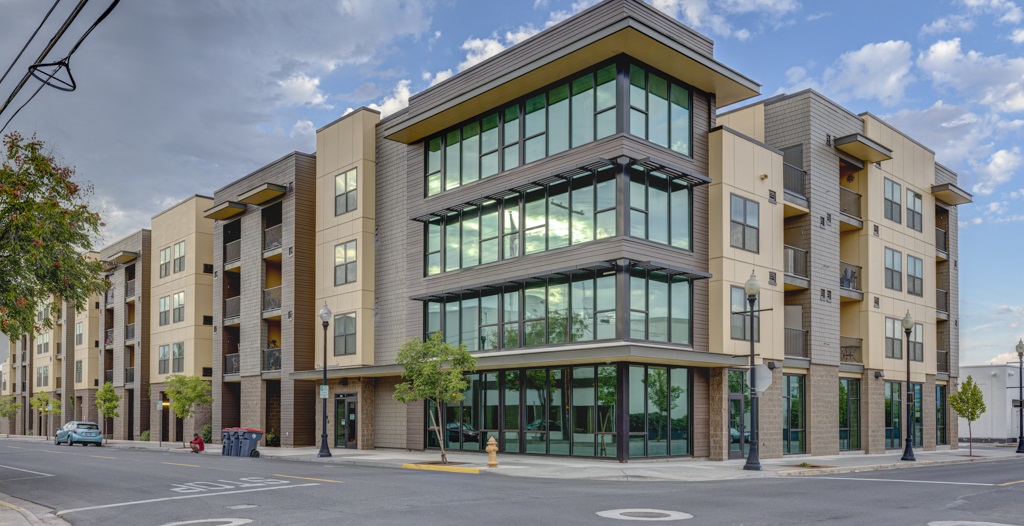
The Public Housing Program (managed by PHAs under HUD) provides affordable rental housing units owned and operated by local housing authorities. According to HUD, public housing may range from single-family houses to high-rise apartments for the elderly and persons with disabilities.
Eligibility is based on factors including income, household size, citizenship or eligible immigration status, and tenant suitability. Local PHAs use HUD-developed income limits. hud.gov
Benefits
Residents of public housing pay rent that is typically set at about 30 % of their adjusted income. This offers financial relief compared to market rents. In addition, because the housing is owned/operated by the housing authority, there may be added protections, maintenance oversight, and community-support features.
Public housing units are often located in established neighborhoods, providing access to schools, transit, and community services rather than isolated or low-amenity areas.
Use Case
This program is ideal for very low‐income families, seniors, or individuals with disabilities who qualify and are seeking a stable, subsidized rental home. It is particularly helpful for someone whose income will not rise significantly, making market rental housing unaffordable long-term.
How to Apply
Contact your local Public Housing Agency (PHA). Fill out the PHA’s application, submit required documentation (income, family composition, references), and if accepted, you may be placed on a waiting list.
[Apply for Public Housing Program]
2. Housing Choice Voucher (HCV) Program (often “Section 8”)
Detailed Information
The HCV program, commonly referred to as Section 8, is an income-based rental assistance program under HUD that allows eligible participants to rent privately owned housing. A voucher covers a portion of the rent; the tenant pays the balance.
Local PHAs administer the program and determine voucher amounts, minimum requirements, and property standards. Eligible households typically pay around 30% of their income toward rent and utilities.
Benefits
One major advantage is choice: recipients can choose eligible housing in the private market, allowing them to select the neighborhood, school district, or proximity to work. This flexibility improves life quality.
Another benefit is portability: in many cases, vouchers can be used across jurisdictions, giving more mobility. The program also ensures housing units meet HUD’s standards, helping ensure safety and decency.
Use Case
This program is well-suited for low-income workers, families with children, and people with disabilities who want to live in private rental housing rather than public housing units. It works for someone seeking flexibility in where they live but needing rent support to make it affordable.
How to Apply
Apply through your local PHA for the voucher program. Complete the application, meet eligibility requirements, and once approved, find a rental property that accepts the voucher.
[Apply for Housing Choice Voucher Program]
3. Project-Based Rental Assistance (PBRA)
Detailed Information
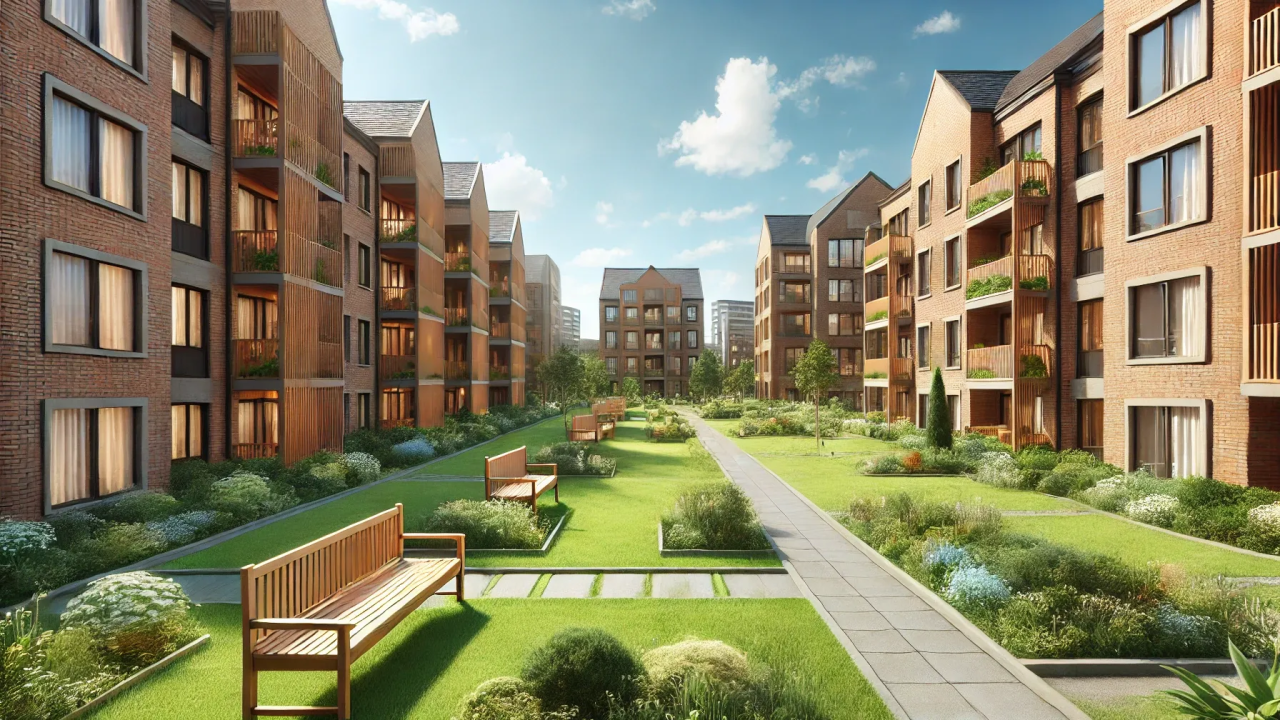
Project-Based Rental Assistance (PBRA) is a HUD program where rental subsidies are tied to particular units in Housing & Urban Development-assisted properties. Tenants reside in a specific property rather than using a portable voucher.
In PBRA properties, tenants pay income-based rent (often 30 % of adjusted income), and the property owner receives a subsidy to cover the difference between tenant payment and contract rent.
Benefits
Because the subsidy is attached to a particular unit, this can mean fewer steps for the tenant in terms of finding eligible housing. Many PBRA properties are purpose-built for low-income renters, sometimes including seniors or persons with disabilities.
The properties often include amenities, supportive services, or accessible housing design because they are built for the assisted market. So the resident may experience higher-quality housing than comparable market-rate units.
Use Case
This suits individuals or families who have secured a spot in a PBRA property or are willing to apply for such properties. It is beneficial for people who prefer consistent housing (rather than finding a rental on the open market) and want homes where rent is guaranteed to remain affordable.
How to Apply
Search for PBRA properties in your region through HUD’s listings or housing authority sites. Apply the property management.
[Find PBRA Properties Near Me]
4. Low-Income Housing Tax Credit (LIHTC) Properties
Detailed Information
Although not directly rented out by HUD, the LIHTC program is a critical federal initiative for creating affordable rental housing for low-income households. Under LIHTC, developers receive tax credits in exchange for building or rehabilitating housing that is rent-restricted for low-income renters.
These properties typically set aside a percentage of units for households earning under certain income thresholds (e.g., 50% or 60% of the area median income). They often include modern amenities, good location, and rentals at or below affordable rates.
Benefits
For renters, LIHTC properties mean access to newer or well-maintained housing at reduced rents compared to market rate. These properties may have design features, accessible units, community features, or a better location than older subsidy housing.
For communities, LIHTC properties expand the supply of affordable housing without sole reliance on traditional public housing or vouchers.
Use Case
This option is suitable for moderate-income individuals who may not be eligible for some HUD subsidy programs but still struggle to afford market-rate housing. It also works for families or seniors who desire quality housing at affordable rates and are willing to live in properties with income-restriction requirements.
How to Apply
Search for LIHTC properties in your area, contact property management to verify income eligibility and unit availability, then apply.
[Search LIHTC Affordable Housing]
5. Section 202 Supportive Housing for the Elderly
Detailed Information
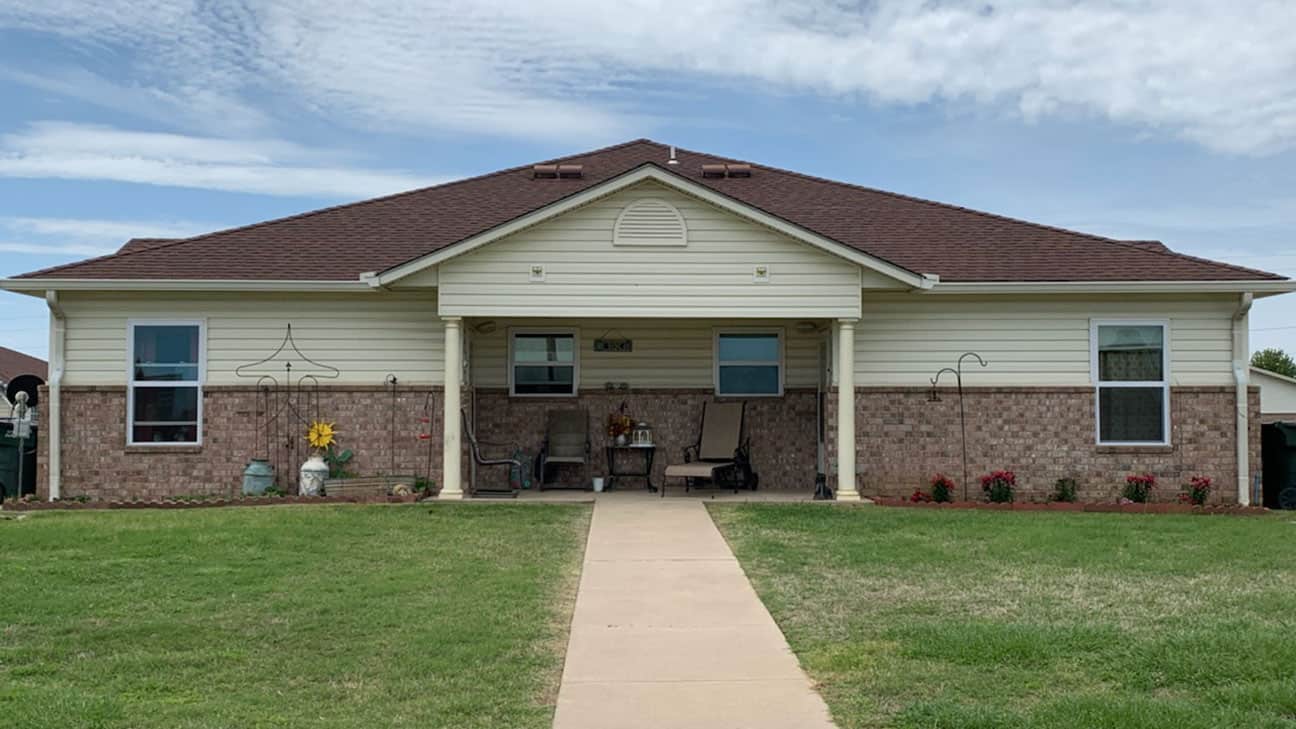
The Section 202 Supportive Housing for the Elderly Program is a HUD initiative targeted to very low-income seniors aged 62 or older. The program offers capital assistance, rental subsidies, and supportive services to enable seniors to live independently in affordable housing.
Rent is often income-based, with seniors paying a portion of their income. The communities often include supportive services-meal programs, transportation, housekeeping, social activities—to help seniors thrive.
Benefits
For older adults on fixed incomes, Section 202 offers one of the most affordable housing options. It also provides social and supportive amenities, helping seniors stay active, connected, and independent. The design is tailored for aging in place-accessible units, age-friendly design, and community environment.
Use Case
Ideal for seniors who anticipate long-term housing needs, limited income, and want a community that supports aging in place rather than moving into full assisted-living. This program addresses both affordability and aging support.
How to Apply
Contact your local HUD field office or housing authority and ask about Section 202 buildings in your region. Submit eligibility documents, income verification, and senior status.
[Apply for Section 202 Senior Housing]
How Technology is Improving Access to HUD Low-Income Housing
Online Search Portals and Mapping Tools
HUD and related agencies provide online tools to search subsidized housing, verify eligibility, and locate available units. For example, the USA.gov guide to subsidized rental housing explains how to search a map of HUD-participating properties.
These digital tools streamline access-allowing applicants to browse properties, check income requirements, and apply online rather than relying solely on in-person visits or calls.
Virtual Tours, Digital Applications, and Monitoring
Many housing authorities and property management firms now offer virtual tours of affordable housing units, digital application submission, and online status tracking. This reduces barriers for applicants who may have mobility or transportation constraints.
Technology has also enabled more efficient waiting-list management, communications (email/text updates), and document submission. These developments improve the applicant experience and reduce delays in securing housing.
Why You Need to Consider HUD Low-Income Housing
Mitigating Housing Cost Burden
Housing cost burden-spending more than 30% of income on rent-is a major stressor for millions of households. HUD low-income housing programs are explicitly designed to reduce this burden by linking rent to income or providing subsidies. For many households, this is the difference between stable housing and frequent moves or housing insecurity.
Long-Term Stability and Life Quality
Securing affordable, stable housing through HUD programs offers long-term benefits beyond cost: improved school outcomes (for children), better health outcomes (for seniors and disabled individuals), community stability, and potential upward mobility. Affordable housing is not just about “cheap rent”-it’s about enabling economic opportunity and life stability.
Access to Better Living Conditions
Because many HUD programs enforce quality standards, tenants often live in housing that is maintained, safe, and accessible. That contrasts with many privately-rented low-cost units that may be poorly maintained or in unsafe neighborhoods. HUD assistance often opens access to better living conditions, which may have been financially out of reach otherwise.
How to Apply for HULow-Income Housing Programs
Step 1: Determine Your Eligibility
Check your gross income, household size, local median income, and other requirements. HUD sets income limits for its subsidized programs (often 50% or 80% of the area median income) depending on the program.
Step 2: Gather Required Documentation
You will typically need proof of income, family composition, citizenship/eligible immigration status, rental history, and identification. Local PHAs may request additional documentation, such as asset verification.
Step 3: Search for Programs and Available Units
Use HUD’s search tools, local housing authority websites, and property listings for voucher, public housing, PBRA, LIHT, C, or Section 202 units. Apply to multiple programs to improve your chances.
Step 4: Submit Applications and Monitor Wait Lists
Once you apply, many programs place you on a waiting list. Keep your contact information current, respond promptly to housing authority requests, and check for open application windows.
Step 5: Accept Unit and Move In
When your application is approved and a unit becomes available, you’ll sign a lease, typically pay approximately 30% of your income for rent, and move into your subsidized home.
FAQs
Q1. What if I earn too much income for HUD subsidies?
If your income is above the eligible threshold for certain HUD programs, you may still qualify for other programs like LIHT properties, which serve moderate low-income households. Check each program’s income limits.
Q2. Are low-income housing units always located in undesirable neighborhoods?
Not many HUD-assistednits units are in stable, amenity-rich neighborhoods. Programs often require minimum quality standards, and some units are in suburban or desirable locations. When searching, review neighborhood amenities, transit access, schools, and commute times.
Q3. How long does it take to get approved for HUD low-income housing?
Approval times vary widely by location, program, demand, and funding. Some applicants may wait months or years, especially for vouchers or popular programs. Applying early, maintaining application responsiveness, and applying to multiple options increases your chances.