Green Infrastructure for Buildings Integrating Nature & Performance for Sustainable Construction
In a world facing climate change, urban heat islands, and unsustainable resource consumption, it’s become vital to rethink how buildings are designed and operated. One of the key strategies is integrating green infrastructure for buildings-that is, nature-based and engineered systems within the built environment to improve performance, health, and resilience.
In this comprehensive guide, we’ll define what green infrastructure means in the context of buildings, explore why it’s important, highlight the major benefits, and then dive into real-world product solutions you can use. You’ll learn how to buy, where to buy, use cases, and get answers to common questions.
What Is Green Infrastructure for Buildings
Green infrastructure for buildings covers a wide range of systems and techniques that merge ecological, hydrological, and structural design to improve building performance and environmental outcomes. According to recent studies, such infrastructure includes green roofs, green walls, rainwater harvesting and drainage systems, and vertical/horizontal greening devices.
In simpler terms, rather than simply treating a building as a passive object, green infrastructure treats it as part of an ecosystem. For example, le a roof with vegetation and a drainage layer becomes not just a place to sit solar panels, but a functional system that reduces runoff, cools the building, and increases biodiversity.
Another dimension is using materials and systems that replace “grey infrastructure” (concrete, pipes, mechanical systems) with nature-inspired or nature-integrated systems-so you reduce energy use, manage water on-site, and improve occupant well-being.
Why Green Infrastructure for Buildings Matters
Implementing green infrastructure in buildings isn’t just a “nice to have” aesthetic. It addresses several critical problems in modern built environments:
Tackling Urban Heat, Energy & Comfort
Buildings in dense cities often suffer from high solar gain, overheating, and dependence on mechanical cooling. Green roofs and walls help by providing shading, insulation, and cooling through evapotranspiration. For example, vegetation can help cool building surfaces and lower ambient temperatures, thereby reducing air-conditioning demand.
By reducing energy loads, building owners save on utility bills and reduce carbon emissions. This makes green infrastructure a strategic investment for both operating costs and environmental impact.
Water Management & Stormwater Control
Traditional buildings channel rainwater into drainage systems or sewers, which may overflow during heavy rainfall events and increase flood risk. Green infrastructure captures, stores, and reuses rainwater-thus reducing runoff, replenishing groundwater, and lowering demand for potable water. Functional components like rainwater harvesting systems and blue/green roofs are examples.
Biodiversity, Health & Resilience
Green infrastructure supports vegetation, insect life, and bird habitats even in urban environments. Incorporating nature into buildings improves air quality, provides calming views, and contributes to he mental and physical well-being of occupants. Green infrastructure also enhances resilience: a properly designed system can mitigate flooding, support micro-climates, and adapt to climate change.
Enhanced Building Value & Certification
Buildings equipped with green infrastructure often achieve higher performance certifications (LEED, BREEAM, Living Building Challenge) and command premium value. As sustainable design becomes mainstream, a building with integrated green systems becomes more desirable, future-proof, and aligned with regulatory trends.
Benefits of Green Infrastructure Systems (Technology Focus)
When you deploy specific green infrastructure systems, you unlock distinctive benefits, thanks to the technology and integration behind them. Here are some key benefit categories:
Thermal Performance and Energy Reduction
For instance, a green roof system layered with growing medium and vegetation provides an extra thermal mass, reduces heat ingress in summer and heat loss in winter. According to industry data, green roofs can reduce roof membrane exposure to UV and thermal extremes-extendinthe g the life of the roofing system and lowering HVAC load.
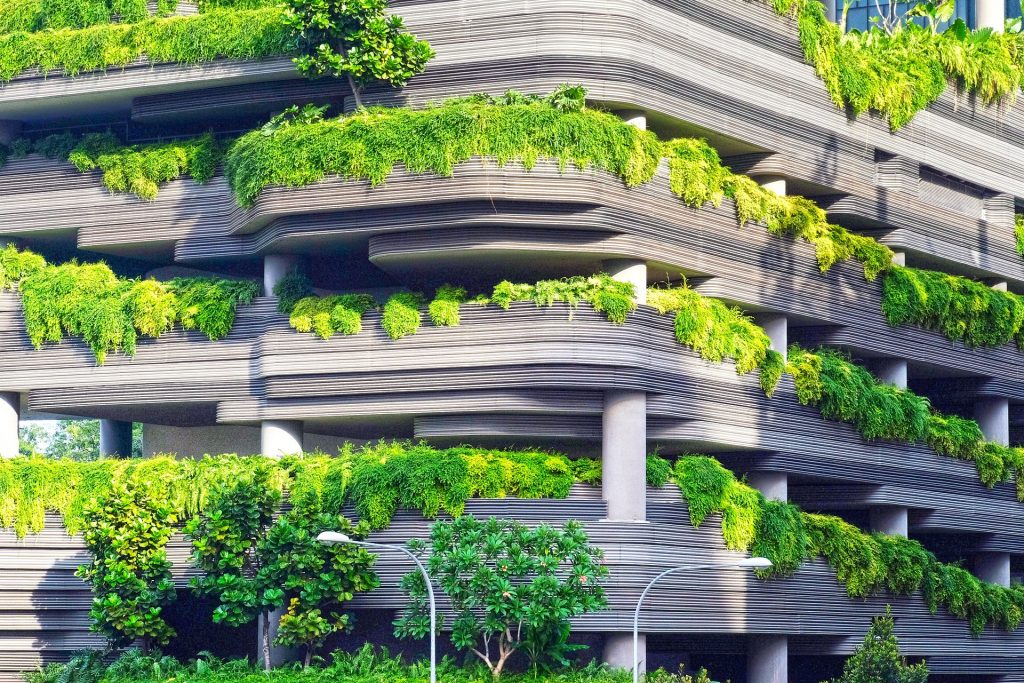
Vertical green walls or façade greening also provide shading and cooling of the building envelope, reducing solar load and associated air-conditioning energy.
Stormwater Mitigation and Reuse
Systems like blue/green roof modules (which combine vegetation with water detention) manage and slow rainfall runoff, reducing the burden on drainage and lowering the risk of urban flooding. Rainwater harvesting kits collect and filter rainfall for reuse-reducing demand on municipal water supply and minimizing waste.
Improved Indoor Environment & Occupant Health
By integrating greenery and nature into buildings, indoor and outdoor environments become healthier. Green walls and roofs improve air filtration, lower dust and pollutant levels, and increase occupant comfort. There’s also a psychological benefit of being closer to nature.
Long-Term Durability & Reduced Lifecycle Cost
Green infrastructure often protects building components: for example, a green roof protects the waterproof membrane from UV and temperature extremes, meaning fewer repairs and replacements. Over the lifecycle, maintenance costs and replacement cycles reduce-making the total cost of ownership lower.
Environmental & Social Value
By integrating green infrastructure, a building helps sequester carbon (through vegetation growth), improves biodiversity, contributes to urban ecological networks, and aligns with sustainability goals. Socially, it can promote well-being for occupants and the community.
5 Real-World Product Solutions for Green Infrastructure in Buildings
Below are five actual product solutions related to green infrastructure in buildings. Each includes detailed information, use case, and where to buy.
1. Green Roof System
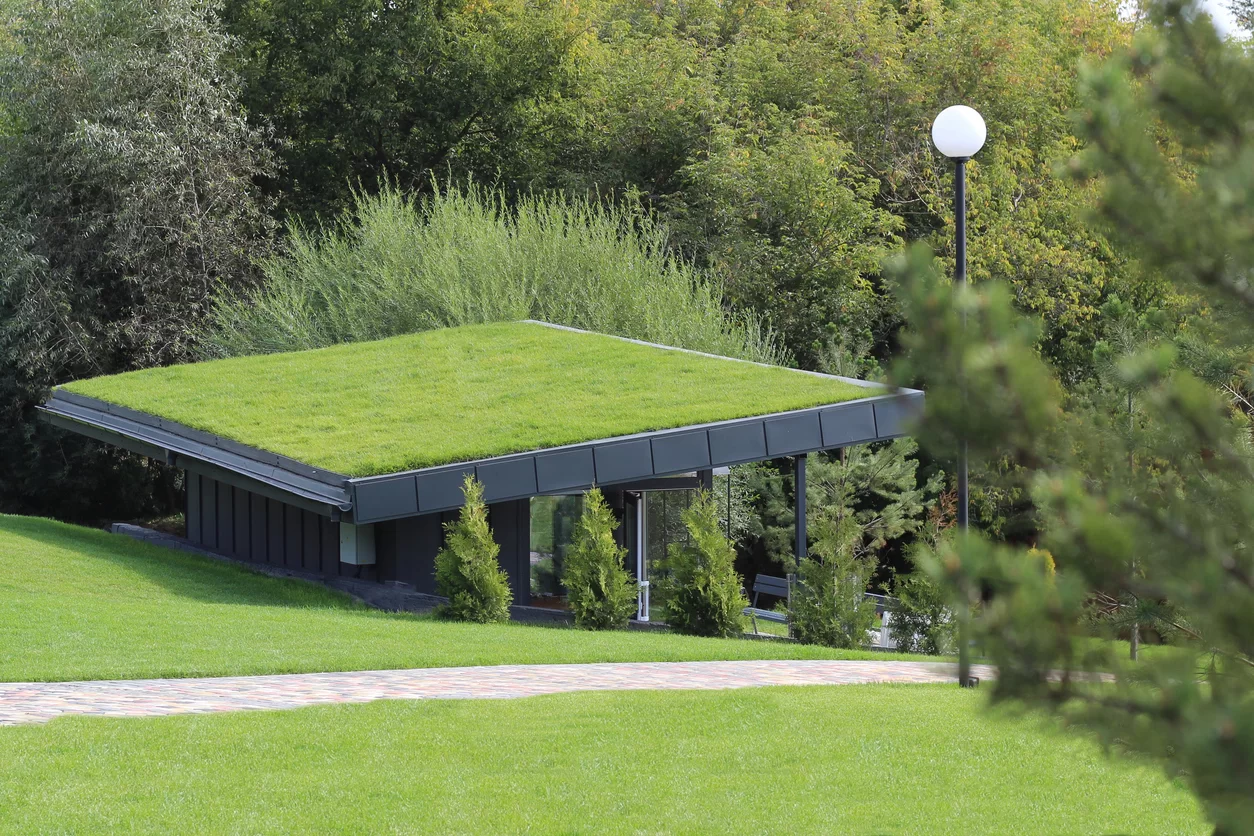
Description: This product is a modular green roof system kit designed for rooftop installation. Itincludesa a drainage layer, a root barrier, growing medium, and pre-vegetated modules. According to system suppliers, green roof systems mimic natural soil profiles and are engineered with multiple layers tailored for roof conditions.
Details: The kit allows building owners to create a “living roof” that supports sedums, grass, or small shrubs, depending on depth and design. The system supports improved insulation, stormwater detention, and roof membrane lifespan extension.
Use Case: A commercial building wants to reduce summer cooling loads and capture stormwater. They install the green roof system on a flat roof, gaining the benefits of energy savings, improved rooftop amenity, nd sstormwatermanagement.
Why People Need It: Instead of a plain ballast or rooftop surface, this system converts the roof into a functional ecosystem and performance layer. It helps reduce energy cost, manage rainwaterand add building value.
How to Buy & Where: Visit the manufacturer’s website; search for “Green Roof System modular kit”. Click the purchase link (affiliate style) and specify building parameters.
Buy Green Roof System
2. Rainwater Collection System Kit
Description: This is a rainwater harvesting system that collects rain from roof surfaces, filters it, stores it in tanks, and pumps it for non-potable use (irrigation, toilets, etc.). Providers highlight how kits are designed for both residential and commercial uses.
Details: The system includes a downspout diverter, sediment/leaf filter, storage tank (above or below ground), pump, and control system. The kit is sized depending on the oof the area and rainfall profile.
Use Case: A multi-storey office building installs the kit to reduce mains water use and handle stormwater. Collected rainwater is used for cooling tower make-up water and landscaping, reducing utility costs and potable water consumption.
Why People Need It: Water scarcity and rising water costs make rainwater harvesting increasingly important. Plus, regulatory incentives and stormwater fee reduction make this a strategic investment.
How to Buy & Where: Visit a rainwater harvesting specialist website; select the right based on roof area and usage.
Buy Rainwater Collection System Kit
3. Mozaik Eco Roof Green279
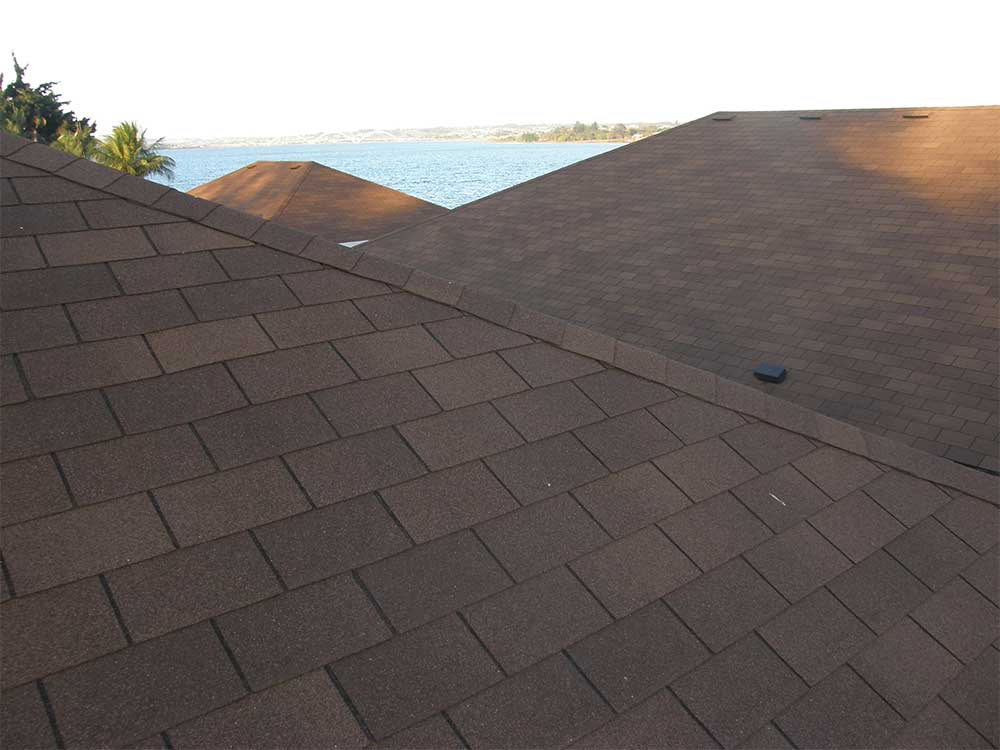
Description: This appears to be a green-tinted eco-roof tile or panel product designed to be used on building exteriors. While not a full green roof module, it is part of the green infrastructure palette: aesthetic, durable, and eco-compatible roofing.
Details: The product provides an eco-finished roof option with good durability and integrates with green infrastructure design by enabling reflective or vegetative systems.
Use Case: A residential building owner wants to upgrade the roof to an eco-friendly solution before adding rooftop garden modules. They install this product to match green infrastructure goals and provide future readiness.
Why People Need It: For retrofit situations where full green roof systems may be too expensive or heavy, eco-roof tiles like this offer an entry point to improved building envelope performance and sustainability aesthetics.
How to Buy & Where: Available via roofing supplies marketplaces; search the product name and follow the affiliate link.
Buy Mozaik Eco Roof Green279
4. Panasonic E‑Type Water Collector
Description: This is a water collector unit, likely part of a rainwater or greywater system, designed for buildings to capture water from facade or roof surfaces and channel it into storage.
Details: With building-integrated systems, these collectors integrate into the architectural envelope, enabling low-impact water capture and reuse. For example, similar fog-harvesting or facade collectors are noted in building-integrated water systems.
Use Case: A high-rise building with vertical green walls wishes to capture irrigation overflow and rainwater; the Panasonic collector is used on the façade to channel and manage water sustainably.
Why People Need It: To maximize reuse of water, reduce demand on municipal supply, and handle façade-integrated green infrastructure. It’s an important component of water management in green buildings.
How to Buy & Where: Search for “Panasonic E-Type Water Collector” in building systems supply; click affiliateiate link.
Buy Panasonic E-Type Water Collector
5. Rainwater Drainage Strainer & Collector
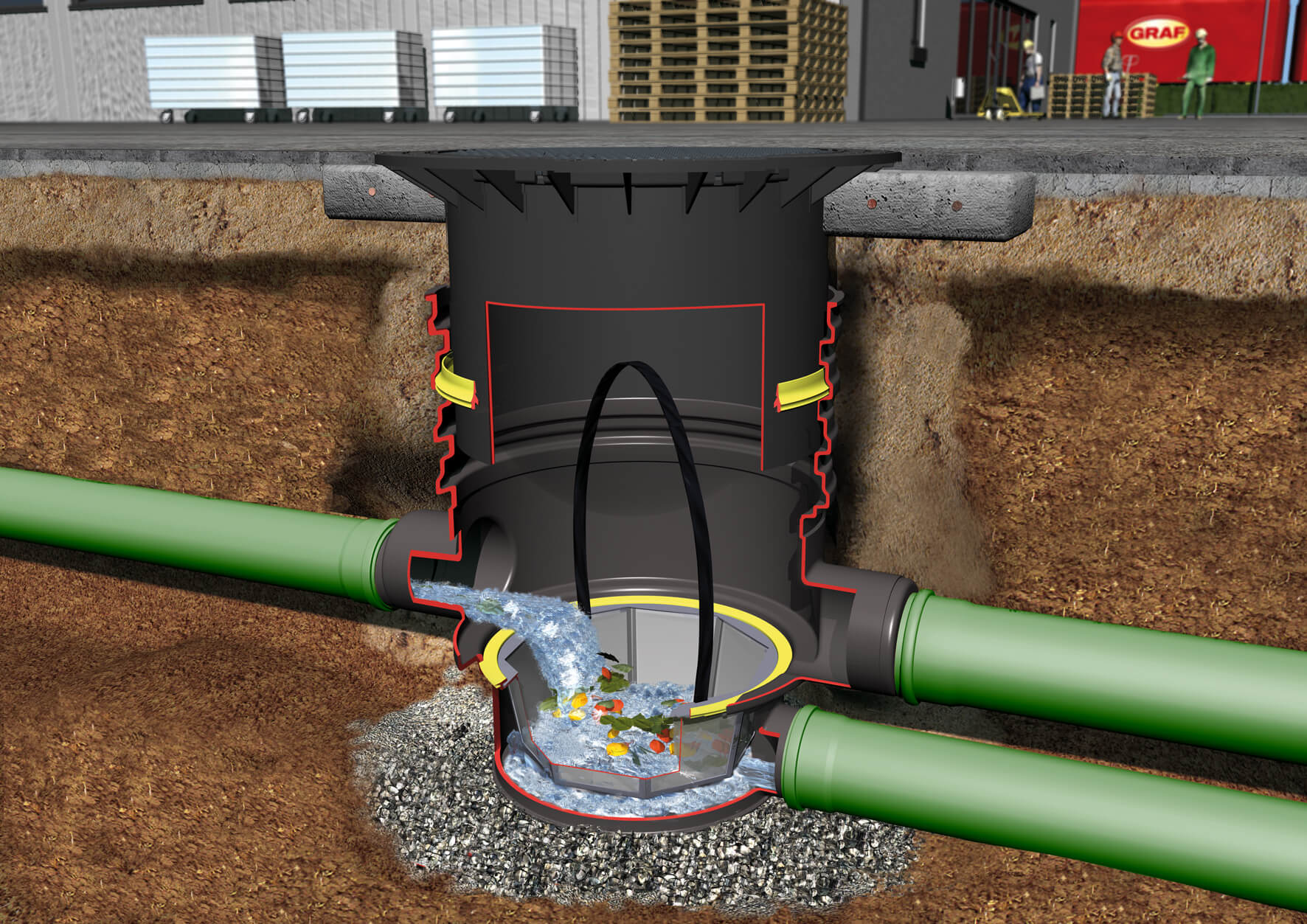
Description: A smaller-scale component but critical to green infrastructure, the drainage strainer and collector unit ensures leaves, debris, and sediments are filtered from rainwater systems before entering storage.
Details: Effective filtration and strainers ensure long-term performance of rainwater harvesting kits and blue/green roof systems. They prevent clogging, minimize maintenance, and protect pumps and tanks.
Use Case: A building retrofit adds a rainwater harvesting system; to ensure reliability, the installation includes these strainer unitseach eac.h This reduces maintenance frequency and ensures the captured water is h quality for reuse.
Why People Need It: Even the best rainwater systems fail if water is contaminated or filters clog. Using proper strainer/collector components ensures performance and longevity.
How to Buy & Where: Available via building plumbing and water management suppliers; follow the affiliate link.
Buy Rainwater Drainage Strainer & Collector
How to Implement & Buy Green Infrastructure for Your Building
Implementing green infrastructure requires planning, design, procurement, and maintenance. Here is a structured approach:
-
Assessment & Planning
-
Determine building roof/structure load capacity, climate zone, rainfall profile, sun/shade patterns, structural reinforcement, and building usage.
-
Identify which green infrastructure systems suit your building: e.g., green roof, rainwater harvesting, green wall, blue/green roof, façade water collectors.
-
Engage an architect or green-building specialist to integrate systems into the design/budget.
-
-
Selecting Products & Suppliers
-
For each system (green roof, rainwater kit, drainage modules), use trusted suppliers listed above. Check product documentation: load weight, water retention, drainage, plant-media depth, and maintenance requirements.
-
Compare total cost of ownership: upfront cost + installation + maintenance + expected energy/water savings.
-
-
Installation & Integration
-
Ensure installation by certified installers or manufacturers. For green roofs, layers must be installed correctly: root barrier, drainage, filter cloth, growing medium, and vegetation.
-
For rainwater systems, install filtration, pumps, tanks, overflow, and integrate it with building plumbing for reuse.
-
-
Maintenance & Monitoring
-
Green infrastructure systems require periodic checks: vegetation health, drainage performance, water storage levels, pump maintenance, and structural integrity.
-
Use monitoring systems if possible (e.g., water level sensors, energy savings tracking). This helps verify performance and ROI.
-
-
Purchasing Path (Affiliate Style Buttons)
-
Choose the product you want (see the above 5 examples).
-
Click the “Buy” link for each product and purchase through the supplier.
-
Ensure shipping, installation, and warranty details are clear, especially if you’re in regions like Jakarta/Indonesia, where shipping and local code may apply.
-
Frequently Asked Questions
Q1. Can green infrastructure systems be retrofitted into existing buildings?
Yes. Many systems are designed for retrofit-such as modular green roof trays, rainwater harvesting kits, and façade collectors. However, for existing buildings, you must evaluate structural capacity, waterproofing status, roof slope, and integration with existing drainage/plumbing. For example, green roof systems vary by depth, load, and design.
Q2. What kind of return on investment (ROI) can I expect from green infrastructure for my building?
The ROI depends on multiple factors: energy savings (cooling/heating reduction), water savings, captured stormwater value, maintenance cost reduction, increased building value, and possible certification incentives. While upfront costs may be higher, long-term savings and added value often justify the investment.
Q3. Are there any special design or structural considerations when installing green infrastructure?
Absolutely. For green roofs, the load-bearing capacity of the roof must be verified (soil and water weigh more than standard roof finishes). Waterproofing, root barriers, drainage layers, and maintenance access are critical. For rainwater systems, you must ensure correct filtration, tank sizing, overflow, and integration with plumbing codes. Also consider local climate, vegetation choiceand maintenance requirements.