Best Green Home Insulation Materials for Sustainable Living in 2025
As the world moves toward sustainable living, green home insulation has become a cornerstone of modern eco-friendly construction. Homeowners are increasingly seeking insulation materials that reduce energy consumption, enhance indoor comfort, and lower environmental impact.
This article explores the best eco-friendly insulation options available in 2025 — including their benefits, real-world product examples, and how to purchase them for your next green building project.
What Is Green Home Insulation?
Green home insulation refers to eco-friendly materials designed to regulate indoor temperature efficiently while minimizing harm to the environment. Unlike traditional insulation made from fiberglass or foam that contains chemicals and synthetic fibers, green insulation uses renewable, recycled, or natural components that are safer for both people and the planet.
These materials not only provide superior thermal and acoustic insulation but also contribute to reducing your home’s overall carbon footprint. They are ideal for those looking to create energy-efficient, sustainable, and healthy living spaces.
Why Green Insulation Matters in 2025
With rising energy costs and climate change concerns, insulation has become more than a comfort feature — it’s a necessity. Green insulation plays a critical role in sustainable architecture by reducing heating and cooling demands, which account for nearly 50% of home energy use.
Eco-friendly insulation helps:
-
Reduce energy consumption: Keeps indoor temperatures stable, reducing the need for HVAC systems.
-
Lower greenhouse gas emissions: Made with renewable or recycled materials that require less energy to produce.
-
Improve indoor air quality: Contains fewer chemicals and allergens compared to synthetic options.
-
Increase property value: Green-certified homes with sustainable insulation are more appealing to eco-conscious buyers.
Top 5 Green Home Insulation Materials of 2025
Below are five of the most advanced and sustainable insulation materials available in 2025, including real-world examples and where to buy them.
1. Recycled Denim Insulation
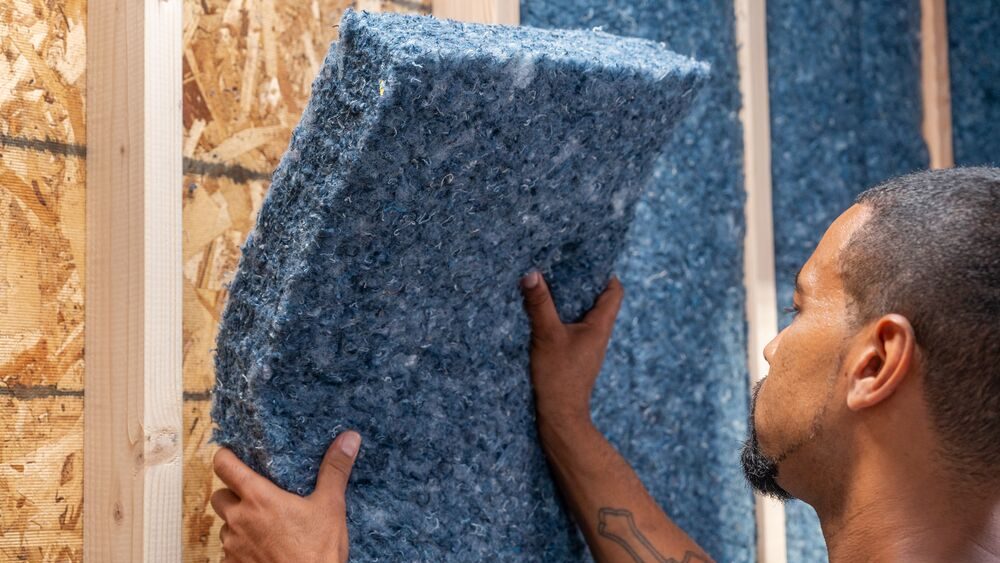
One of the most popular green insulation materials is recycled denim insulation, made from post-consumer cotton fabric waste. Instead of ending up in landfills, old jeans and clothing are transformed into highly efficient insulation that is safe, non-toxic, and effective.
Recycled denim provides excellent thermal and acoustic performance, making it ideal for walls, ceilings, and attics. It’s naturally resistant to mold and pests, providing a durable, long-lasting insulation solution.
Benefits of Recycled Denim Insulation:
-
Eco-friendly: Made from 85% recycled cotton fibers.
-
Safe handling: No protective gear required during installation.
-
Superior comfort: Provides excellent soundproofing and moisture control.
Real-world Example:
Bonded Logic UltraTouch Denim Insulation is a leading product in this category, offering high R-values and exceptional acoustic performance. It is manufactured in the USA using upcycled denim fibers.
Use Case:
Perfect for residential retrofits or new constructions, recycled denim insulation solves the problem of waste management while improving home comfort and energy efficiency.
Where to Buy:
Available through eco-friendly suppliers like Green Building Supply or major retailers such as Home Depot.
2. Sheep’s Wool Insulation
Sheep’s wool insulation is a natural and renewable solution that provides excellent thermal regulation while being 100% biodegradable. This insulation material works by trapping air in its fibers, maintaining a consistent indoor temperature year-round.
Wool also has a unique ability to absorb and release moisture without losing its insulating properties — a feature not found in synthetic materials.
Benefits of Sheep’s Wool Insulation:
-
Sustainable and renewable: Wool regenerates annually without environmental harm.
-
Moisture control: Naturally regulates humidity and prevents mold growth.
-
Safe and non-toxic: Contains no harmful chemicals or irritants.
Real-world Example:
Havelock Wool Insulation offers high-quality wool insulation sourced from New Zealand sheep. The material is treated with natural borate for pest resistance, ensuring longevity and safety.
Use Case:
Ideal for eco-conscious homeowners, wool insulation solves indoor moisture problems while maintaining a naturally comfortable living environment.
Where to Buy:
You can order directly from Havelock Wool’s official website or authorized green construction suppliers.
3. Cellulose Insulation
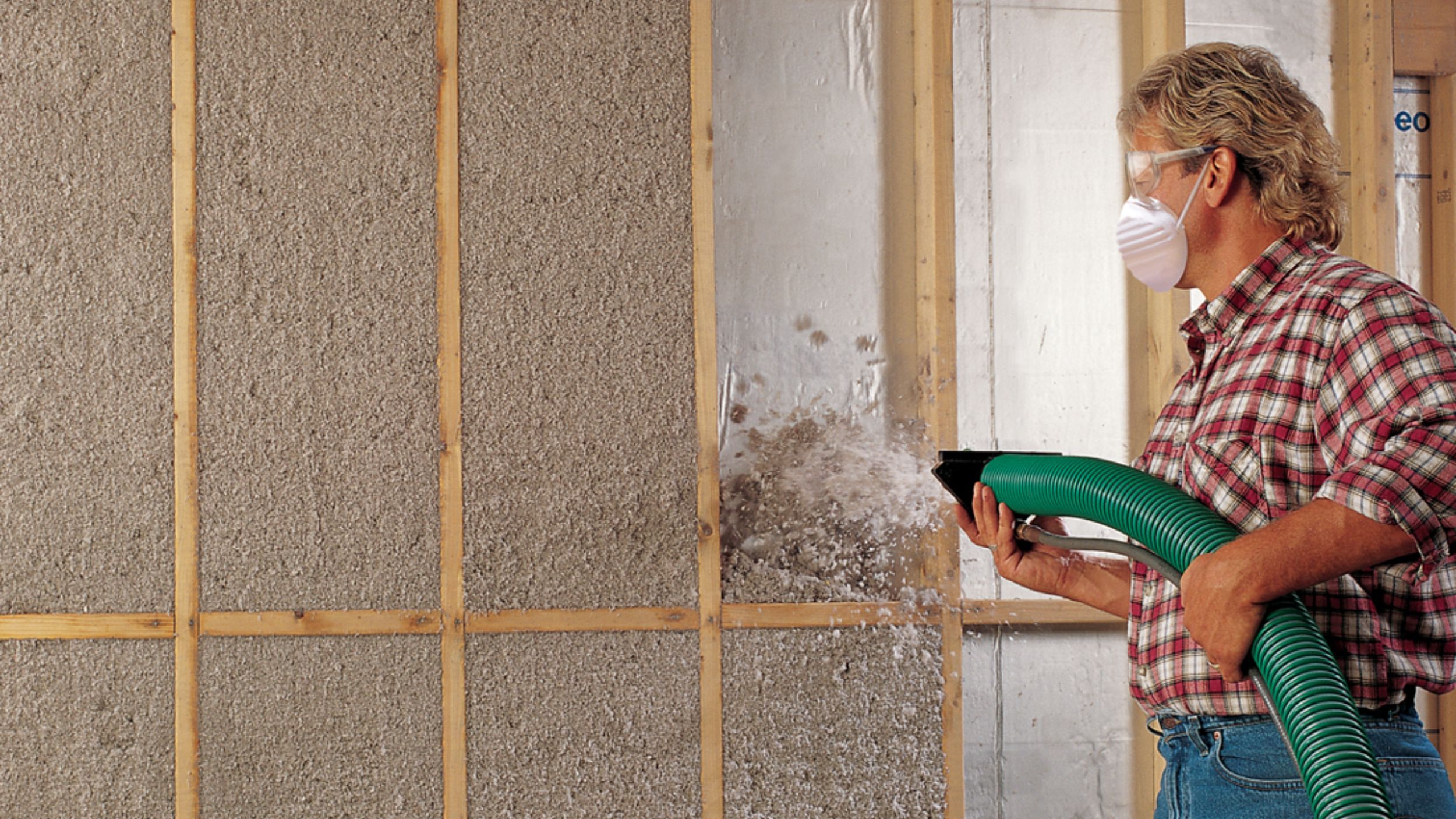
Cellulose insulation is made primarily from recycled paper and treated with non-toxic fire retardants. It’s one of the oldest and most proven green insulation materials available, offering high performance at an affordable cost.
Because it’s composed of 85% recycled newspaper fibers, cellulose significantly reduces waste while providing excellent thermal resistance and air sealing.
Benefits of Cellulose Insulation:
-
Highly sustainable: Reduces landfill waste through paper recycling.
-
Effective air sealing: Minimizes drafts and energy loss.
-
Fire-resistant: Treated with borates to enhance safety.
Real-world Example:
Greenfiber Natural Fiber Insulation provides blown-in cellulose insulation designed for residential and commercial projects. It’s easy to install and offers superior thermal efficiency.
Use Case:
Ideal for attics, walls, and crawl spaces, cellulose insulation solves problems like temperature fluctuations and energy waste in older homes.
Where to Buy:
Available at Lowe’s, Menards, and directly from Greenfiber’s website.
4. Cork Insulation
Cork insulation is harvested from the bark of cork oak trees without harming the trees, making it a renewable and environmentally friendly choice. It is lightweight, resilient, and naturally resistant to moisture, pests, and fire.
Cork’s air-filled cell structure provides outstanding sound absorption and thermal insulation, making it ideal for both residential and commercial spaces.
Benefits of Cork Insulation:
-
Renewable and recyclable: Harvested every 9–10 years without damaging trees.
-
Acoustic performance: Excellent noise reduction properties.
-
Durable: Resistant to rot, mold, and mildew.
Real-world Example:
Corksribas Cork Insulation Boards are 100% natural, sustainably harvested, and designed for both floor and wall applications.
Use Case:
Cork insulation is perfect for apartments, offices, and eco homes where soundproofing and energy efficiency are priorities.
Where to Buy:
You can purchase Corksribas products directly from their website or through sustainable building suppliers.
5. Hemp Insulation

Hemp insulation is made from the inner woody fibers of the hemp plant, providing a natural, renewable, and carbon-negative alternative to synthetic materials. It’s breathable, moisture-resistant, and offers strong thermal insulation.
Unlike fiberglass, hemp insulation is safe to handle and doesn’t release irritants into the air. It’s also biodegradable, making it one of the most sustainable insulation choices.
Benefits of Hemp Insulation:
-
Carbon negative: Absorbs more CO₂ during growth than emitted in production.
-
Durable and breathable: Prevents mold growth and improves indoor air quality.
-
Non-toxic: Safe for human health and the environment.
Real-world Example:
American Lime Technology Hemp Insulation provides premium hemp-lime building materials designed for high-performance green homes.
Use Case:
Ideal for walls, floors, and ceilings in sustainable housing projects, hemp insulation addresses the problem of poor air quality and energy inefficiency.
Where to Buy:
Available from American Lime Technology and eco-friendly distributors across North America.
Benefits of Green Home Insulation
Energy Efficiency
Green insulation reduces heating and cooling needs by maintaining stable indoor temperatures. This results in lower energy bills and reduced reliance on HVAC systems.
Environmental Sustainability
Most eco-friendly insulation materials are made from renewable or recycled resources. This reduces waste, lowers carbon emissions, and conserves natural resources.
Health and Comfort
Green insulation contains no harmful chemicals or formaldehyde, improving indoor air quality. Materials like wool and hemp also regulate humidity naturally, ensuring year-round comfort.
Long-Term Cost Savings
While the initial cost of green insulation may be slightly higher, the long-term energy savings and reduced maintenance make it a cost-effective investment.
How to Choose the Right Green Insulation for Your Home
When selecting the best green home insulation, consider:
-
Climate suitability: Choose materials that perform well in your region’s temperature range.
-
Installation method: Decide between batts, blown-in, or rigid boards depending on your project.
-
Sustainability certifications: Look for ENERGY STAR, LEED, or Cradle to Cradle certifications.
-
Budget and maintenance: Compare cost versus long-term energy efficiency benefits.
How to Buy Green Home Insulation
You can buy green insulation products from certified manufacturers and sustainable building suppliers. Always verify certifications to ensure authenticity and performance.
Buy from:
Each product offers a sustainable, high-performance solution for reducing energy costs and promoting eco-friendly living.
Frequently Asked Questions
Q1. What is the most eco-friendly insulation material?
Sheep’s wool and hemp insulation are among the most sustainable materials due to their natural origin, biodegradability, and moisture regulation properties.
Q2. Is green insulation more expensive than traditional insulation?
The initial cost may be slightly higher, but the long-term savings in energy bills and maintenance costs make it more economical overall.
Q3. Can green insulation be used in existing homes?
Yes. Most eco-friendly insulation types, such as cellulose and denim, can be retrofitted into existing walls and attics without major renovations.