Best Green Construction Materials for Sustainable Building in 2025
The construction industry is evolving rapidly as the demand for sustainability grows. With the rise of eco-conscious builders, architects, and homeowners, green construction materials have become the cornerstone of modern, sustainable design. These materials not only reduce environmental impact but also improve energy efficiency, durability, and indoor air quality.
In this comprehensive guide, we’ll explore the best green construction materials available today, their benefits, real-world product examples, and how to choose and purchase them for your next project.
What Are Green Construction Materials?
Green construction materials are eco-friendly alternatives to traditional building materials. They are designed to minimize environmental impact throughout their lifecycle — from production to installation and eventual disposal.
These materials are often made from renewable, recycled, or sustainable resources and are engineered to reduce carbon emissions, conserve energy, and promote healthier living spaces. Common examples include bamboo, recycled steel, hempcrete, cork, and low-VOC paints.
By using these materials, builders contribute to a cleaner environment, lower waste generation, and improved long-term efficiency in building performance.
Why Green Construction Materials Matter
As the effects of climate change become more apparent, sustainable construction is no longer an option — it’s a necessity. The building sector accounts for a significant portion of global carbon emissions, and traditional materials like concrete and steel are among the biggest contributors.
Green construction materials help combat these challenges by:
-
Reducing carbon footprint: Most eco-friendly materials emit fewer greenhouse gases during production.
-
Conserving natural resources: They often use recycled or rapidly renewable resources.
-
Improving indoor air quality: Many contain fewer harmful chemicals or volatile organic compounds (VOCs).
-
Enhancing energy efficiency: Sustainable materials help maintain stable indoor temperatures, reducing energy costs.
Top 5 Green Construction Materials of 2025
Below are the most innovative and effective green construction materials shaping the sustainable building landscape in 2025.
1. Bamboo: The Renewable Powerhouse
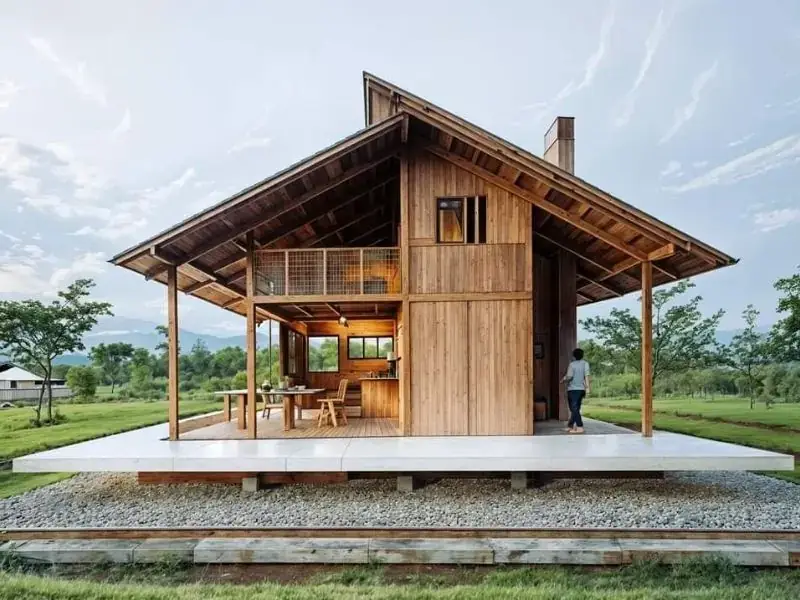
Bamboo is one of the most popular and sustainable construction materials in the world. It grows rapidly — some species can mature in just 3–5 years — and regenerates without needing replanting. Its tensile strength rivals that of steel, making it suitable for structural applications.
Bamboo is commonly used for flooring, wall panels, and furniture. It’s also a favored choice in eco-architecture projects due to its natural aesthetic appeal and lightweight yet durable nature.
Benefits of Using Bamboo:
-
Sustainability: Bamboo absorbs carbon dioxide and releases 35% more oxygen than trees.
-
Durability: Properly treated bamboo can last decades without losing structural integrity.
-
Versatility: Used in everything from scaffolding to decorative finishes.
Real-world Example:
Offers high-quality bamboo flooring and panels certified by the Forest Stewardship Council (FSC). Their materials are designed for longevity and minimal environmental impact.
Where to Buy:
You can purchase bamboo products directly from Teragren’s website or eco-friendly retailers like Green Building Supply.
2. Recycled Steel: The Future of Structural Strength
Recycled steel is one of the strongest and most eco-efficient materials for modern construction. Unlike traditional steel production, which consumes significant energy and natural resources, recycled steel utilizes existing materials, dramatically reducing its environmental footprint.
This material is perfect for framing, roofing, and reinforcement applications, especially in large-scale projects such as commercial buildings and bridges.
Benefits of Using Recycled Steel:
-
Longevity: Steel structures can last over a century with minimal maintenance.
-
Reduced waste: Over 90% of steel used in construction can be recycled multiple times.
-
Energy efficiency: Using recycled steel saves up to 75% of the energy needed to make new steel.
Real-world Example:
Leader in producing high-quality recycled steel for sustainable construction. Their operations rely heavily on scrap metal recycling, supporting circular economy principles.
Where to Buy:
Builders can order directly through Nucor’s distributors or authorized green material suppliers across the U.S.
3. Hempcrete: Natural Insulation Revolution
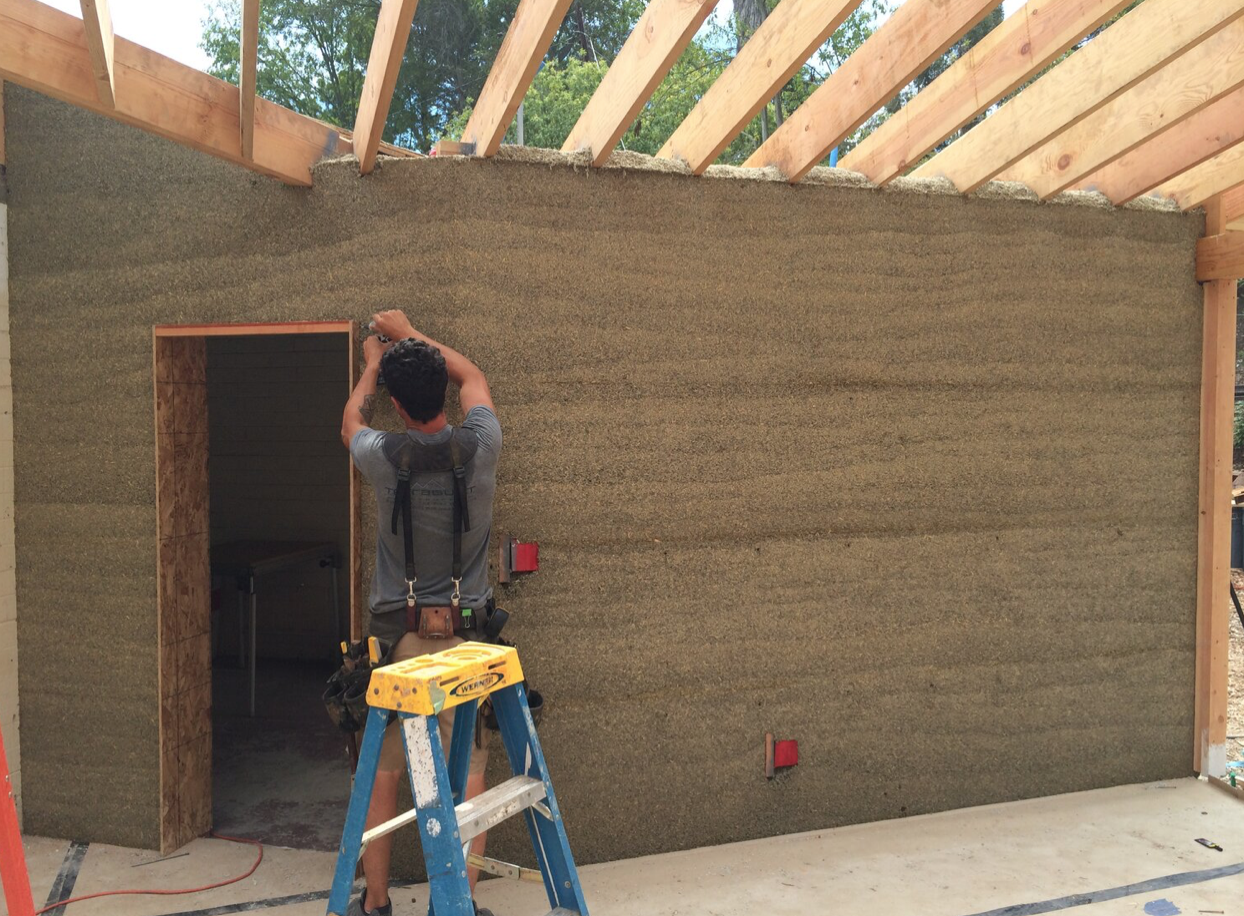
Hempcrete, made from hemp fibers mixed with lime and water, is gaining traction as a carbon-negative building material. Unlike traditional concrete, hempcrete absorbs CO₂ during its curing process, helping offset construction-related emissions.
It’s lightweight, breathable, and an excellent insulator, making it ideal for walls and insulation layers.
Benefits of Using Hempcrete:
-
Eco-friendly: Carbon-negative properties make it one of the greenest materials available.
-
Thermal performance: Keeps interiors cool in summer and warm in winter.
-
Healthier environment: Naturally resistant to mold, pests, and fire.
Real-world Example:
[<a href=”https://www.americanlimetechnology.com/”>American Lime Technology</a>] produces high-quality hemp-lime building materials tailored for sustainable projects.
Where to Buy:
You can buy hempcrete through specialized eco-material retailers or directly from American Lime Technology’s website.
4. Reclaimed Wood: Sustainability Meets Style
Reclaimed wood is salvaged from old barns, factories, and homes, giving it new life in modern construction. Using reclaimed wood not only prevents deforestation but also adds a rustic and unique charm to interiors.
It’s commonly used for flooring, paneling, and furniture. Each piece of reclaimed wood tells a story, offering both sustainability and style.
Benefits of Using Reclaimed Wood:
-
Eco-conscious: Reduces demand for new lumber and prevents landfill waste.
-
Aesthetic appeal: Offers a timeless, vintage look that enhances interior design.
-
Durability: Older wood often has tighter grain structures, increasing strength.
Real-world Example:
[<a href=”https://www.woodstockresources.com/”>Woodstock Resources</a>] supplies premium reclaimed timber from responsibly sourced buildings and industrial sites.
Where to Buy:
Visit Woodstock Resources online or check your local green building supply stores for reclaimed wood collections.
5. Cork: A Natural and Renewable Wonder
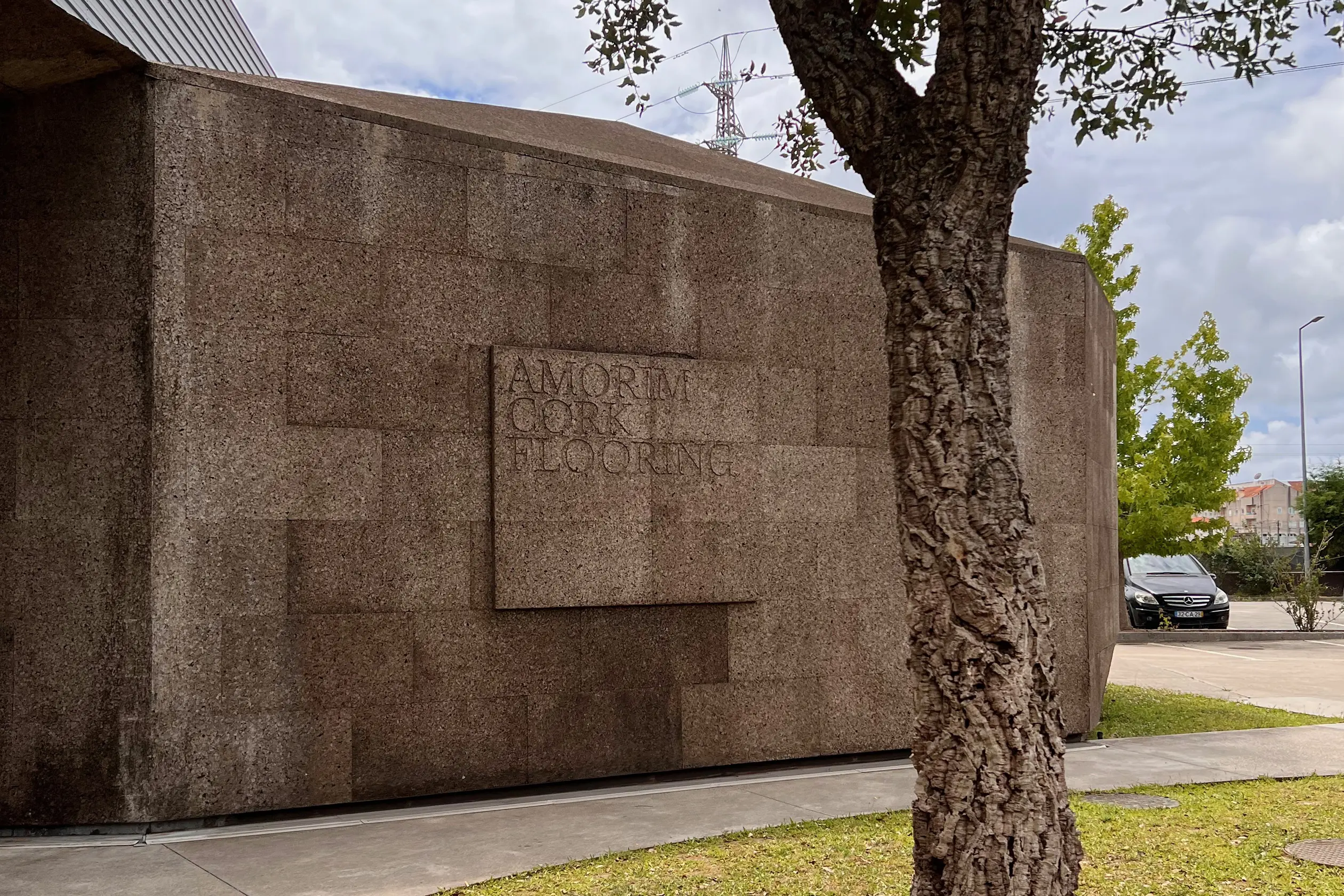
Cork is harvested from the bark of cork oak trees without harming them, making it a renewable and sustainable material. It’s primarily used for flooring, insulation, and wall coverings due to its natural soundproofing and thermal qualities.
Benefits of Using Cork:
-
Eco-friendly: The bark regenerates, allowing repeated harvests.
-
Comfort and insulation: Provides thermal and acoustic benefits for homes.
-
Resilient and lightweight: Resistant to mold, moisture, and fire.
Real-world Example:
Offers high-performance cork flooring solutions made with sustainable harvesting practices.
Where to Buy:
Corksribas products are available directly from their website or through eco-friendly flooring retailers worldwide.
The Benefits of Using Green Construction Materials
Environmental Sustainability
By choosing green materials, builders significantly reduce carbon emissions, waste, and resource depletion. The use of renewable materials like bamboo or cork supports biodiversity and minimizes deforestation.
Long-Term Cost Savings
Although some green materials may cost more upfront, they lead to lower maintenance and energy costs in the long run. Improved insulation, durability, and efficiency translate into substantial financial savings over time.
Healthier Living Environments
Green construction materials often contain fewer toxins and allergens. Low-VOC paints, hempcrete walls, and natural flooring materials improve indoor air quality, benefiting occupants’ health.
Innovation and Aesthetic Appeal
Modern eco-materials offer not just functionality but also beauty. Whether it’s the sleek look of recycled steel or the organic texture of bamboo, green materials enhance the overall design and value of any property.
How to Choose the Right Green Construction Materials
When selecting green materials for your project, consider these key factors:
-
Lifecycle impact: Assess how materials are sourced, produced, and disposed of.
-
Certifications: Look for sustainability credentials like LEED, FSC, or Cradle to Cradle.
-
Energy efficiency: Choose materials that improve building insulation.
-
Durability: Ensure they are long-lasting and low-maintenance.
How to Buy Green Construction Materials
The best place to purchase green construction materials is from certified sustainable suppliers. Always verify product certifications and environmental impact before buying.
You can explore online retailers or specialized eco-building suppliers:
-
Buy from Nucor Steel
-
Buy from American Lime Technology
-
Buy from Woodstock Resources
-
Buy from Corksribas
Each of these brands offers environmentally responsible materials suitable for both small residential and large commercial projects.
Frequently Asked Questions
Q1. What are the most eco-friendly building materials available today?
Some of the most sustainable materials include bamboo, hempcrete, recycled steel, cork, and reclaimed wood. These materials are renewable, energy-efficient, and minimize environmental harm.
Q2. Are green construction materials more expensive?
Initially, they may have higher upfront costs, but they provide long-term savings through reduced energy use and maintenance expenses.
Q3. Can green materials be used in all types of buildings?
Yes. From homes and offices to large infrastructure projects, green construction materials can be adapted for virtually any type of building design.